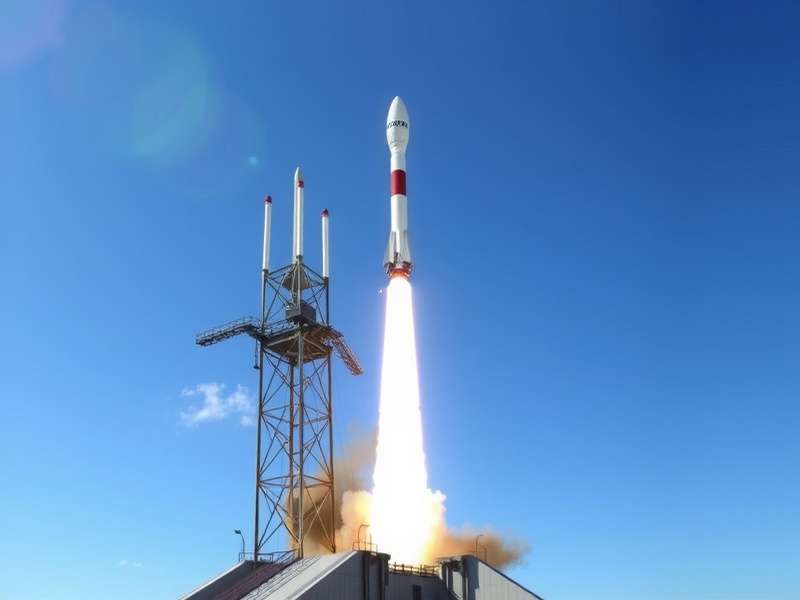
Exploring the Final Frontier for Humanity
The Indian Space Research Organisation (ISRO) is at the forefront of space technology, satellite communication, and planetary exploration, harnessing space for national development and scientific discovery.
Spacecraft Launched
Mission Success Rate (%)
Transponders Operated
Nations Served
About ISRO
India's Pride in Space
The Indian Space Research Organisation (ISRO) is the national space agency of India, established on August 15, 1969, with a vision to harness space technology for national development while pursuing planetary exploration and space science research.
Headquartered in Bengaluru, Karnataka, ISRO operates under the Department of Space (DOS), which reports directly to the Prime Minister of India. The organisation has consistently demonstrated remarkable achievements in space technology, including the Mars Orbiter Mission (Mangalyaan), Chandrayaan lunar missions, and the development of the Polar Satellite Launch Vehicle (PSLV) and Geosynchronous Satellite Launch Vehicle (GSLV).
ISRO's primary objective is to develop space technology and its application to various national needs. This includes satellite-based communication, Earth observation, meteorology, navigation, and space science missions. The organisation maintains one of the largest fleets of communication and remote sensing satellites in the world, providing crucial data for agriculture, water resources, urban planning, disaster management, and environmental monitoring.
Dr. S. Somanath
Chairman, ISRO
"Space technology has become an indispensable tool for national development and security."
Our Journey Through Time
1969
ISRO established by Dr. Vikram Sarabhai, replacing INCOSPAR.
1975
Aryabhata, India's first satellite, launched with Soviet assistance.
1980
RS-1 launched aboard SLV-3, making India the seventh space-faring nation.
2008
Chandrayaan-1 launched, discovering water molecules on the Moon.
Flagship Missions & Programs
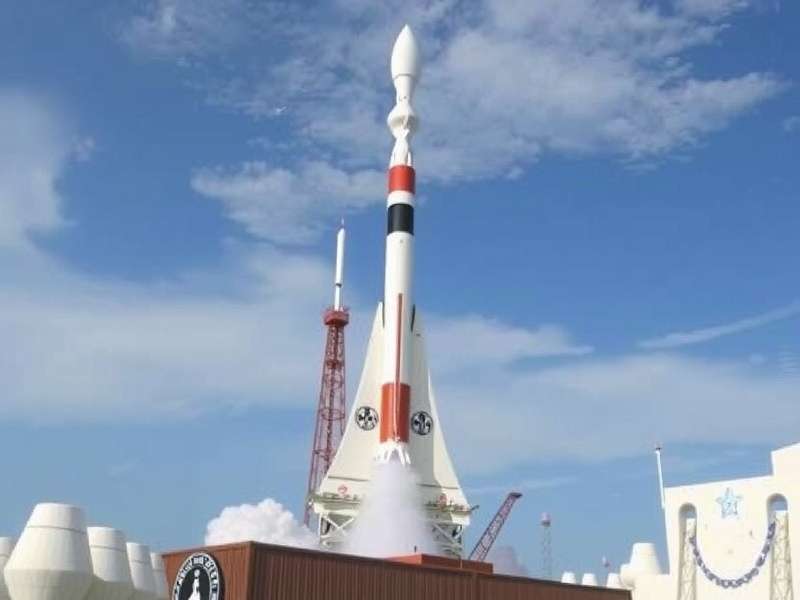
Mars Orbiter Mission (MOM)
India's first interplanetary mission, successfully entering Mars orbit on September 24, 2014, making ISRO the fourth space agency to reach Mars and the first to do so on its maiden attempt.
- Launched: November 5, 2013
- Orbiter: Mangalyaan
- Mission: Study Martian surface and atmosphere
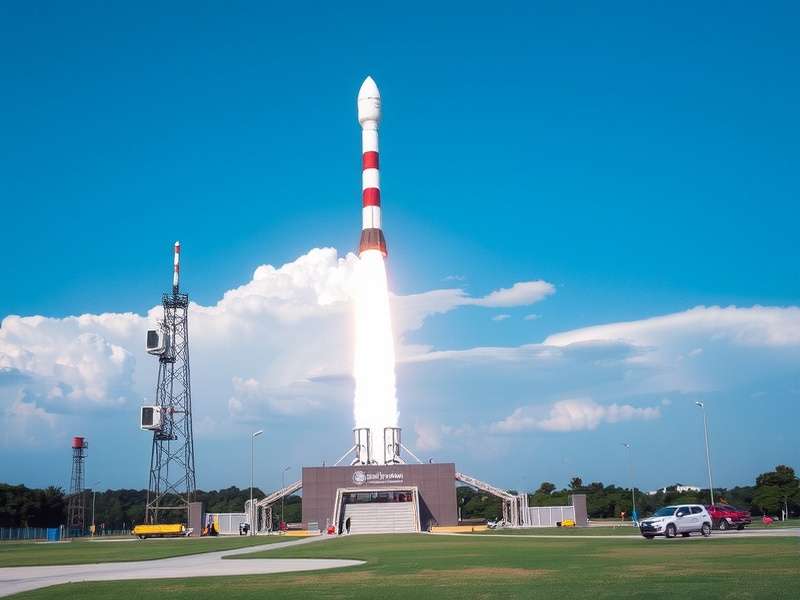
Chandrayaan-2
India's second lunar exploration mission, comprising an Orbiter, Lander (Vikram), and Rover (Pragyan). The orbiter continues to provide valuable scientific data from lunar orbit.
- Launched: July 22, 2019
- Target: Lunar South Pole region
- Instruments: 8 scientific payloads
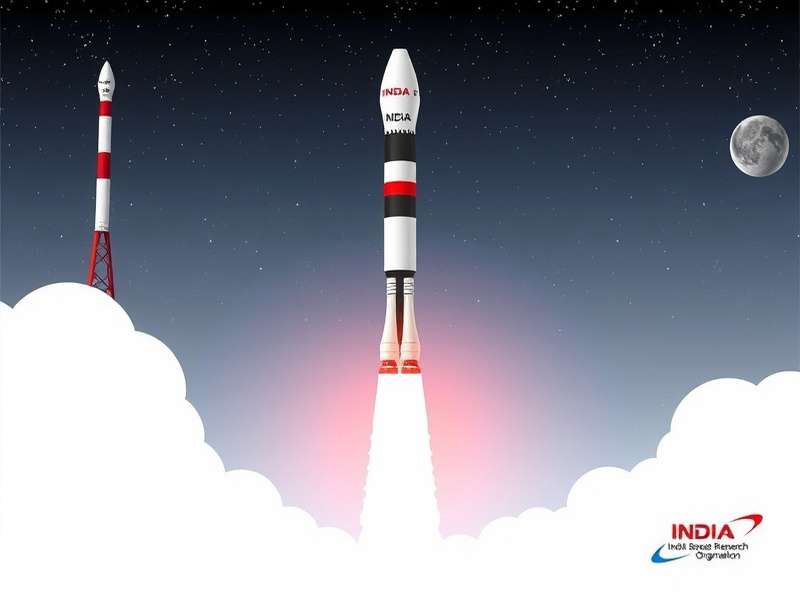
Gaganyaan Program
India's first human spaceflight program aiming to send a crew of three astronauts to low Earth orbit for up to seven days. The program represents a significant leap in India's space capabilities.
- Crew: 3 astronauts
- Target Launch: 2024-2025
- Vehicle: GSLV Mk III
Launch Vehicles & Technology
Launch Vehicle Fleet
ISRO has developed a family of launch vehicles that form the backbone of India's space program, providing reliable access to space for domestic and international customers.
PSLV (Polar Satellite Launch Vehicle)
India's workhorse launch vehicle with over 50 successful missions. Known for its reliability and versatility, capable of launching multiple satellites into polar and sun-synchronous orbits.
GSLV (Geosynchronous Satellite Launch Vehicle)
Capable of placing heavier payloads into geosynchronous transfer orbits. The Mk III variant can launch 4-ton class satellites, enabling India's communication and navigation satellite deployments.
Satellite Technology
ISRO designs and operates one of the largest constellations of remote sensing and communication satellites in the world.
| Satellite Series | Purpose | In Service |
|---|---|---|
| INSAT/GSAT | Communication & Meteorology | 24 |
| IRS/Cartosat | Earth Observation | 18 |
| IRNSS (NavIC) | Navigation | 7 |
Space Technology Applications
Telecommunications
Connecting remote regions through satellite communication and direct-to-home broadcasting.
Agriculture
Crop monitoring, soil assessment, and drought forecasting using remote sensing data.
Water Resources
Monitoring water bodies, groundwater prospects, and watershed management.
Disaster Management
Early warning systems and damage assessment for cyclones, floods, and earthquakes.
Notable Achievements
Global Recognition
ISRO has achieved numerous milestones that have positioned India as a leading space-faring nation with cost-effective and reliable space technology solutions.
- First Asian nation to reach Mars orbit - Successfully placed the Mars Orbiter Mission spacecraft into Martian orbit on the first attempt.
- World record for launching most satellites in a single mission - PSLV-C37 launched 104 satellites in February 2017.
- Discovery of water on the Moon - Chandrayaan-1's Moon Mineralogy Mapper instrument confirmed the presence of water molecules on the lunar surface.
- Development of indigenous cryogenic engine - Successfully developed and tested the CE-20 cryogenic engine for the GSLV Mk III.
Cost Efficiency
Mars Orbiter Mission budget was approximately $74 million, making it the least expensive Mars mission to date.
International Collaboration
ISRO actively collaborates with space agencies worldwide, including NASA, ESA, Roscosmos, JAXA, and CNES, fostering global cooperation in space exploration and Earth observation.


Latest News & Updates
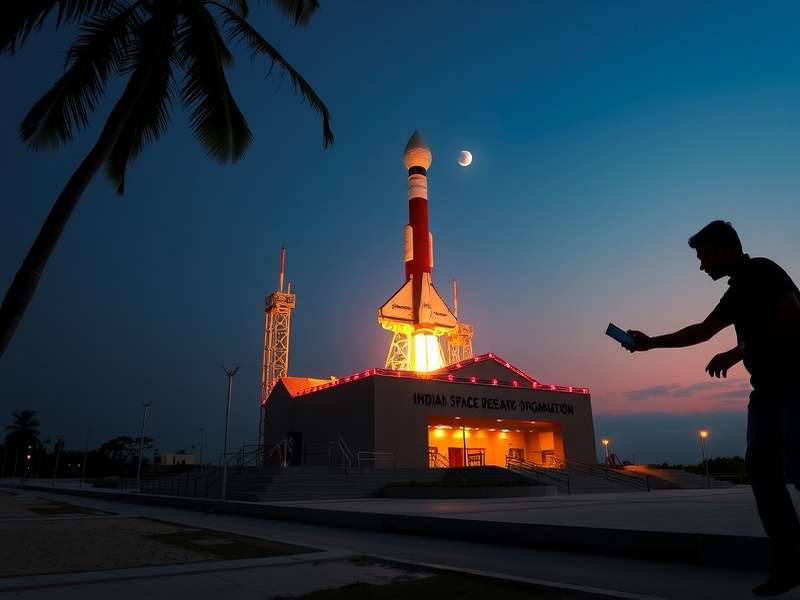
NISAR Mission Enters Final Testing Phase
The NASA-ISRO Synthetic Aperture Radar (NISAR) satellite, a joint mission between ISRO and NASA, has entered its final testing phase at the UR Rao Satellite Centre in Bengaluru.
Read More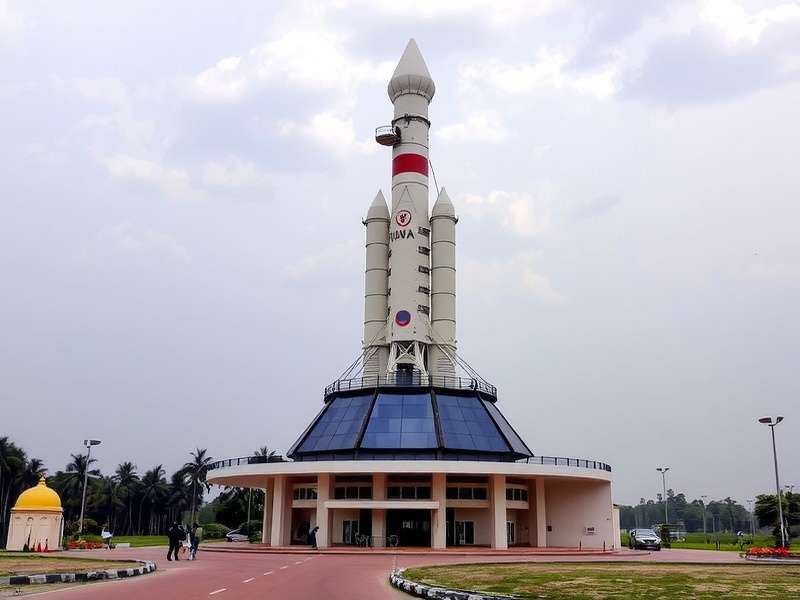
SSLV-D3 Successfully Places Satellites in Orbit
ISRO's Small Satellite Launch Vehicle (SSLV) successfully placed three satellites into their intended orbits, marking the vehicle's third consecutive successful mission.
Read More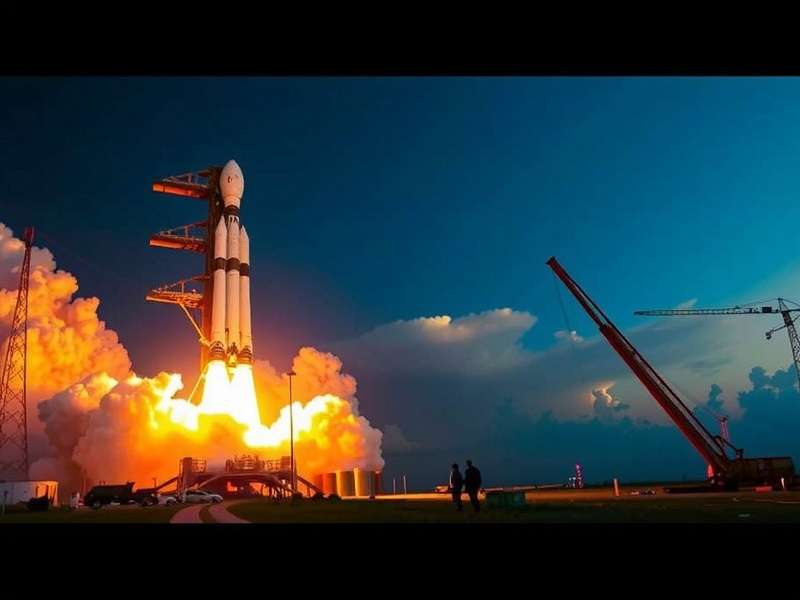
Chandrayaan-3 Propulsion Module Returns to Earth Orbit
The propulsion module of Chandrayaan-3, which had remained in lunar orbit, has been successfully maneuvered back to Earth orbit for additional technology demonstrations.
Read MoreContact ISRO
Get in Touch
For inquiries related to media, collaborations, educational programs, or general information, please contact us through the following channels.
Headquarters Address
Antariksh Bhavan, New BEL Road, Bengaluru - 560231, Karnataka, India
Contact Numbers
+91-80-22172294 (Office)
+91-80-23415241 (Media Relations)
Email Addresses
[email protected] (General Inquiries)
[email protected] (Media Relations)
Office Hours
Monday to Friday: 9:00 AM to 5:30 PM IST
Saturday: 9:00 AM to 1:30 PM IST
Send a Message
Partner Organizations & Resources
ISRO collaborates with various national and international organizations to advance space science and technology. Below are some of our key partners and useful resources.